Italian American Cuisine
by Chaney Bean
Today, Italian food can be found almost everywhere in the United States. From fine dining restaurants to local pizza spots, it has become a staple in the American diet. This was not always true and the road to get here was a hard one. It is thanks to the brave Italian immigrants who voyaged across the Atlantic and started new lives in America. Their sacrifices gave rise to a new cuisine and laid the foundation for its popularity today.
The movie, Big Night, has long been praised as one of the best food films created. However, the film goes beyond the subject of food. It uses comedy to portray the hardships faced by Italian immigrants as they attempted to succeed in America. The brothers, Primo and Secondo, are struggling to keep their authentic restaurant afloat. This was the unfortunate situation many Italian-owned businesses found themselves in at the time. Italians were fleeing the tough conditions of their homeland and looked to the United States as a land of opportunity. Each arrived with their unique dreams and set out to make them a reality. The harsh truth was, they were not warmly welcomed into their new land. Americans often treated with hostility and discrimination served as a barrier for their aspirations. Italians were told to assimilate into American culture. Their unique customs were not welcome here. The atmosphere of America created internal battles for immigrants as they struggled with finding the balance between staying true to their roots and fitting in.
Nobody thinks twice about going out for pizza or enjoying a bowl of comforting pasta in America today, but it took a long time for America to embrace these dishes. Many of the Italian immigrants were fleeing poverty and came with little more than the clothes on their back. Americans perceived them as dirty and of “lesser” quality. These negative stereotypes extended to the food they served. Americans did not want the “food of poor people.” The first attempts to bring Italian dishes to the American people were met with criticisms such as, it was “too garlicky.” These unfamiliar flavors were not appealing to customers and they tended to steer clear of the Italian restaurants. This made it very difficult for Italian chefs to gain a foot-hold in the culinary scene. Big Night opens with a scene of an American couple dining at an Italian establishment. They are the only diners present and are not pleased with how their meal is being served. The couple makes multiple requests for the meal to be more “Americanized.” The proud chef, however, is very hesitant to compromise the authenticity of his dishes for the tastes of Americans. These Italian recipes were sacred to the chef that crafted them and requests to alter them were seen as insults. This held the integration of Italian cuisine into American culture at a standstill with both sides reluctant to change their ways.
Immigrants faced a variety of challenges upon arriving on the American shores. They had taken a gamble and left their lives in Italy to start fresh in the United States. Italians had to figure out quickly how to make it in American society. The lives of Secondo and Primo in Big Night represent just how hard it was to be an immigrant. They are struggling financially and the only way to save the restaurant is to bring in customers, yet diners are hesitant to try their food. Secondo thinks removing risotto from the menu will save them precious funds, due to its complexity and lack of popularity. Primo refuses. This serves as a demonstration of the balance immigrants had to find between their culture and American culture. Secondo is willing to compromise on authenticity in order to succeed among Americans. Primo, however, remains strongly committed to his authentic heritage. He calls the Americanized food served at the competing restaurant a “crime” and shoots down any ideas that compromise the authenticity of his menu. To Primo, and many other Italians, food is more than physical nourishment. It connects them back to their homeland. Their recipes are akin to family heirlooms and are treated with deep respect. Many felt that changing their recipes was cutting ties with their roots.
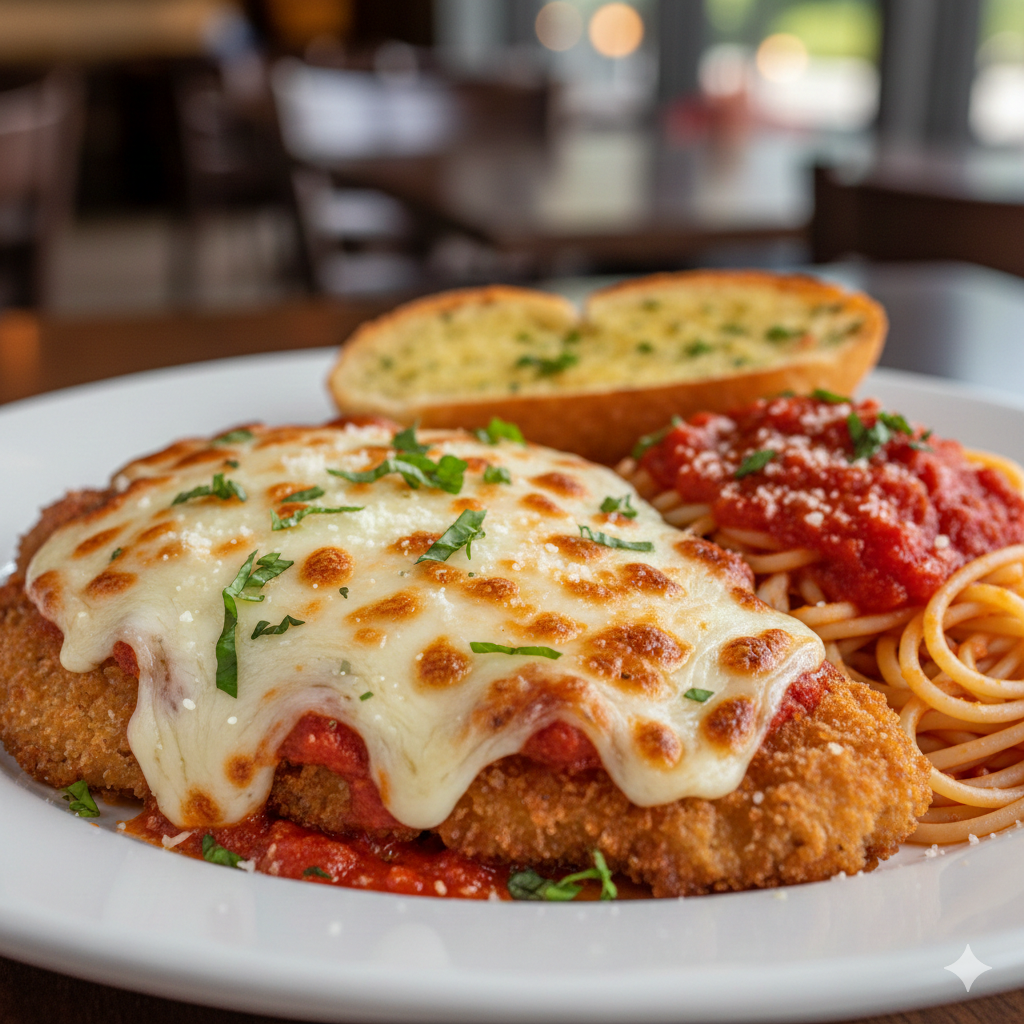
Much of the Italian food seen in the United States is actually Italian American food. A whole new cuisine developed by generations of Italian Americans as they put their own spin on the classics from Italy. Pepperoni pizza, spaghetti and meatballs, and even garlic bread were all born in America and would not be recognized in Italy. These are dishes that took the classic, Italian flavors and turned them into a meal enjoyed in America. This was partly necessary due to the different selection of ingredients found in the United States compared to Italy. Their recipes had to be adapted with what was available. Meat products also changed the way these dishes were prepared. Meat was scarce in Italy and most of the traditional dishes were prepared without it at all. People in the United States had a much more abundant meat supply at their disposal. Immigrants took advantage of this luxury and began to incorporate meat into previously vegetarian recipes. Secondo and Primo’s rival restaurant, Pascal’s, in Big Night is a much more popular spot and is shown serving large portions of spaghetti and meatballs. This was what Americans thought of when they thought of Italian food. Rich pasta and meat with flavors they could understand, not the risotto being served by Primo and Secondo. Americans were not used to thinking about their meals, they simply wanted to enjoy something familiar and have a good time. Authentic Italian food invoked deeper thought, which made it harder to sell to the American diners.
It took a long time even for restaurants like Pascal’s to become as mainstream as they are today. While a select few were able to flourish, most Italian owned restaurants were still struggling to bring in customers. Many were forced to close their doors and look for other lines of work. World War II marked a major turning point in many areas of innovation, including the culinary arts. Companies like Chef Boyardee sought to combine Italian flavors with convenience. Their canned pasta made them a top producer of wartime rations. Even if it came from the store shelf, this increased exposure and versatility allowed the flavors of Italian cooking to reach a wider audience than ever before. Beyond that, soldiers had their tastes expanded during their time fighting overseas. They learned how good Italian food could be. Upon return they craved things, like pizza and pasta, that had brought so much comfort while living under grueling wartime conditions. This was a chance that Italian restaurants had been waiting for and they seized their opportunity. Pizza parlors and pasta restaurants opened their doors and filled their dining rooms with hungry customers. World War II also marked a turning point in the acceptance of Italian Americans. Over one million soldiers were of Italian descent and earned respect for their community as they fought for the country. They were beginning to be seen, not as foreigners, but as Americans.
In present times, Italian food is some of the most popular in America. It is found almost everywhere and ranges from fine dining to fast, casual. It was an uphill battle, but this cuisine has come to be loved by Italians and Americans alike. Italian immigrants and their descendents gave rise to a new style of Italian American cuisine that has greatly impacted the culinary landscape in the United States. Whether it is Friday night pizza or a celebratory pasta dinner, Italian flavors are part of American culture and are here to stay.
Works Cited
Fioretti, Daniele, and Fulvio Orsitto, editors. Italian Americans in Film: Establishing and Challenging Italian American Identities. Springer International Publishing, 2022.
Scott, Campbell, and Stanley Tucci, directors. Big Night. 1996. Rysher Entertainment, 1996.